
Questions & Answers
Eco-Friendly, Allergy & Health Considerations Questions & Answers
The Eco-Friendly, Allergy & Health Considerations Conversation
Browse practical BCC answers about Eco-Friendly, Allergy & Health Considerations. These pages preserve real customer questions and organise carpet choices, installation checks, material details, room suitability and useful flooring research.
There is no single carpet that can be guaranteed to have the least nanoplastic impact — release depends on fibre type, backing, pile construction, wear patterns and cleaning methods. Natural fibres such as wool generally rely less on fossil‑based polymers and may present a lower potential for synthetic microfibre release, but all carpets can shed under use. Consider fibre choice, backing materials and construction, and request samples and technical data fr…
Eco-Friendly, Allergy & Health Considerations Where can I get eco-friendly carpets in Sydney?BCC can help customers explore environmentally conscientious carpet options and provide guidance on what to look for when comparing products. When seeking eco-friendly carpets, consider fibre type (natural versus recycled), transparent manufacturing information, recognised low‑VOC or sustainability certifications, backing and end‑of‑life recyclability. Some carpet ranges are available in wider formats, which can reduce joins; current widths vary by product…
Eco-Friendly, Allergy & Health Considerations Can you provide information about eco-friendly carpets and show some images?Eco‑friendly carpet options include natural wool, plant fibre products (sisal, jute, seagrass), and carpets made with reclaimed or recycled synthetic fibres. Low‑VOC finishes and sustainable manufacturing credentials can reduce environmental impact, though performance and care vary between materials. Trade‑offs to consider are stain resistance, durability in high‑traffic zones, and cleaning needs; some natural fibres require more specialised care. Look for…
 11 Q&A
Coastal, Hampton & Natural-Style Carpets
11 Q&A
Coastal, Hampton & Natural-Style Carpets
 37 Q&A
Carpet Colours & Interior Styling
37 Q&A
Carpet Colours & Interior Styling
 14 Q&A
Bedrooms, Hallways & Living Areas
14 Q&A
Bedrooms, Hallways & Living Areas
 33 Q&A
Wide Carpets, Rugs & Custom Sizes
33 Q&A
Wide Carpets, Rugs & Custom Sizes
 9 Q&A
Underlay, Comfort & Sound Reduction
9 Q&A
Underlay, Comfort & Sound Reduction
There is no single ‘best’ carpet for people with asthma — choices are about reducing allergen build-up and indoor emissions rather than providing a medical solution. Lower-pile constructions and tighter weaves are generally easier to keep clean; some natural fibres and low-VOC products may be preferred by some households. Underlay choice, moisture control and regular cleaning with a vacuum fitted with a HEPA-style filter can help manage particles. Do not r…
Eco-Friendly, Allergy & Health Considerations What type of carpet is recommended for dust mite allergy sufferers?There is no one carpet that eliminates dust‑mite allergy risk. Trade‑offs include fibre type, pile construction and maintenance: low or short piles and tighter loop constructions tend to trap less loose dust than deep, plush piles and are generally easier to vacuum; wool and synthetic fibres each have different care needs. Regular cleaning, good ventilation and appropriate vacuuming routines are important for reducing airborne dust and allergens. For medic…
Eco-Friendly, Allergy & Health Considerations What is the best eco-friendly carpet for my house?For eco‑minded homes, BCC advises considering fibre source, manufacturing impacts and end‑of‑life options. Wool is a natural, biodegradable fibre often chosen for its renewable origins and good durability. Recycled synthetic fibres and carpets with lower‑impact backing systems can also reduce environmental footprint, but assessments vary by product and manufacturer. Health and allergy outcomes depend on construction and care; those with specific sensitivit…
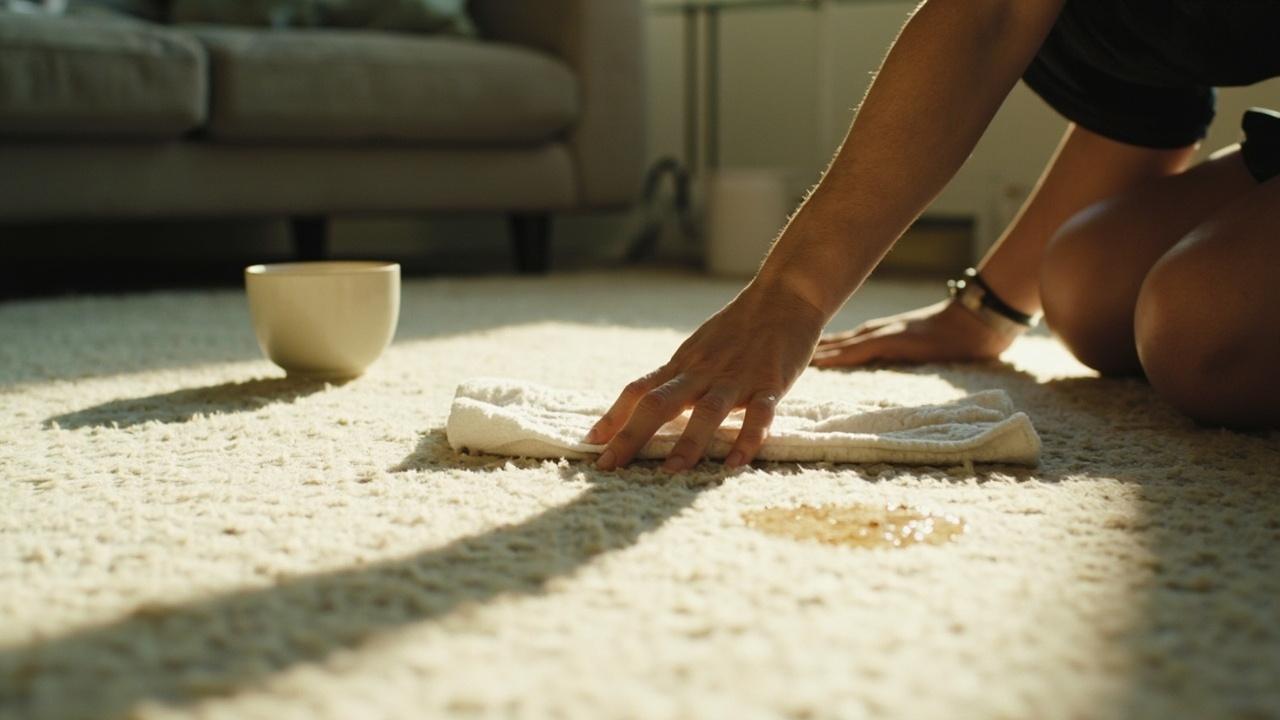 34 Q&A
Cleaning, Stains & Carpet Maintenance
34 Q&A
Cleaning, Stains & Carpet Maintenance
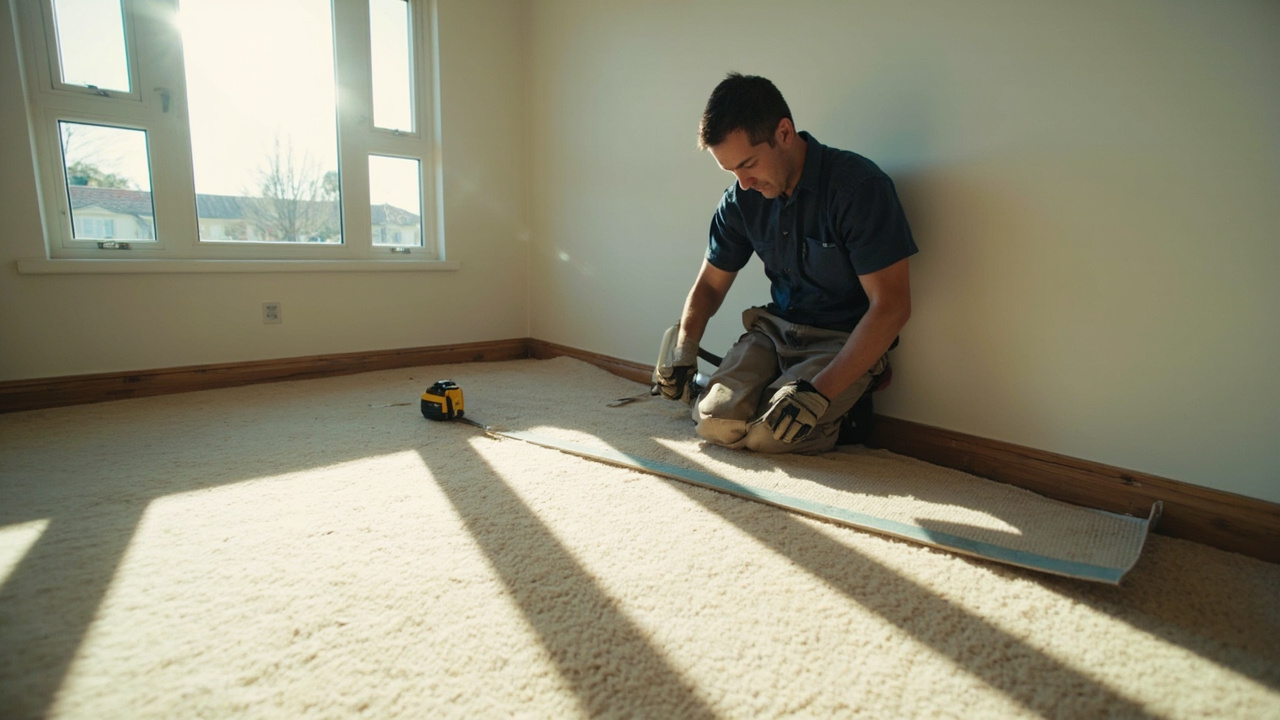 21 Q&A
Installation, Measuring & Furniture
21 Q&A
Installation, Measuring & Furniture
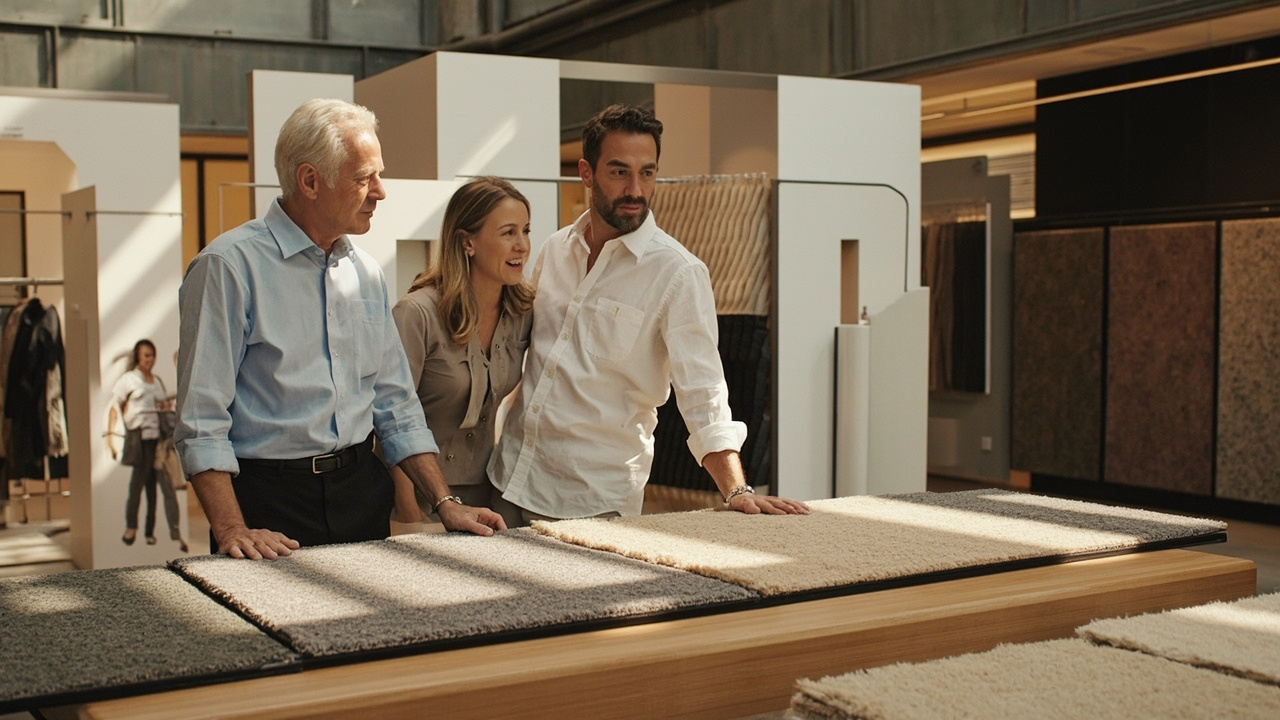 44 Q&A
Showroom, Contact & Sydney Service Areas
44 Q&A
Showroom, Contact & Sydney Service Areas
 54 Q&A
Carpet Buying Advice, Pricing & Quotes
54 Q&A
Carpet Buying Advice, Pricing & Quotes
 62 Q&A
Carpet Types, Brands & Product Ranges
62 Q&A
Carpet Types, Brands & Product Ranges
For elderly family members, prioritise safety, comfort and ease of movement. Low-pile, tightly constructed carpets with a firm underlay reduce trip risk and make walking and transfers easier; firmer surfaces trade some plushness for better stability. Consider contrast on stair edges or nosing to aid visibility. Materials influence feel and maintenance — discuss cleaning frequency and ventilation if allergies are a concern, but avoid medical claims about hy…
Eco-Friendly, Allergy & Health Considerations What carpets in Sydney are the best for sustainability and air quality? Please show some images.BCC can outline the main sustainability and indoor‑air considerations but cannot show images here. Natural wool is a widely regarded sustainable option: it’s a renewable, biodegradable fibre and often chosen for longevity and natural fibre performance. Low‑VOC synthetic constructions are designed to limit indoor emissions. Trade‑offs include durability, maintenance, potential microplastic shedding from some synthetics, and lifecycle impacts of manufacture …
Eco-Friendly, Allergy & Health Considerations I have a big dog and I want to buy carpet for him as I have allergies. Can you show me the best carpet and video?Choosing carpet for a large dog when allergies are a concern requires balancing durability, cleanability and fibre characteristics. Tighter, low-pile constructions and carpets with stain-resistant finishes are generally easier to maintain; densely tufted cut piles or textured loop constructions can hide wear but loop piles may snag with claws. Wool is naturally resilient and comfortable but isn’t guaranteed to be hypoallergenic; some synthetic fibres resis…
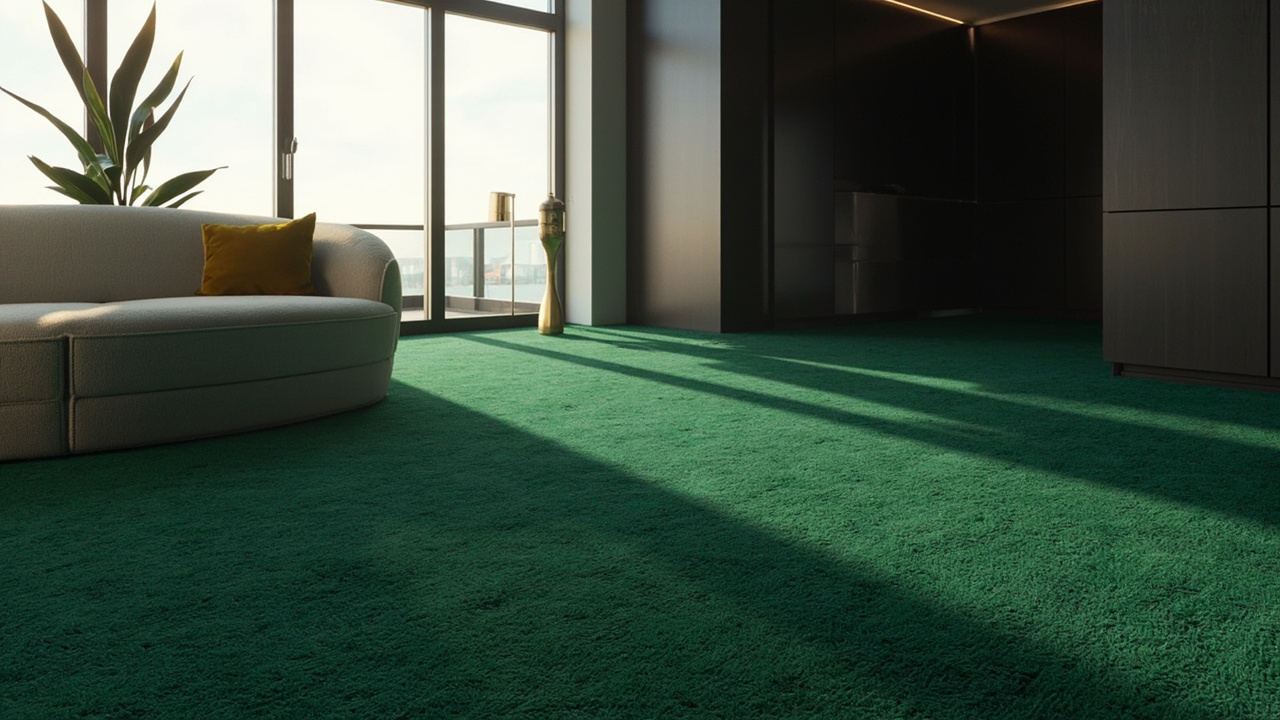 10 Q&A
Luxury, Specialist & Commercial Carpets
10 Q&A
Luxury, Specialist & Commercial Carpets
 17 Q&A
Customer Reviews, Projects & Business History
17 Q&A
Customer Reviews, Projects & Business History
 99 Q&A
Wool Carpets & Natural Fibres
99 Q&A
Wool Carpets & Natural Fibres
 32 Q&A
Carpet Trends, Style & Inspiration
32 Q&A
Carpet Trends, Style & Inspiration
 20 Q&A
Woven Wool, Axminster & Wilton Carpets
20 Q&A
Woven Wool, Axminster & Wilton Carpets
Carpet beetles can occur in Sydney and may feed on natural fibres in carpets, upholstery and stored textiles. Prevention focuses on housekeeping: regular vacuuming (including edges and under furniture), laundering or dry‑cleaning vulnerable textiles, and storing seldom‑used woollens or natural fibre items clean and dry in sealed containers. Periodic professional cleaning can reduce food sources for pests. If an infestation is suspected, consult a licensed …
Eco-Friendly, Allergy & Health Considerations Is carpet better than hard flooring for asthma and allergies?There is no one‑size‑fits‑all answer for asthma and allergies — outcomes depend on fibre type, household cleaning routines and individual sensitivities. Carpets can trap dust and particulates until removed by regular vacuuming with an appropriate filter, and periodic professional cleaning can help manage build‑up. BCC recommends discussing specific product care and fibre options with the showroom to match needs, and consulting a medical or allergy speciali…
Eco-Friendly, Allergy & Health Considerations What is the best eco friendly carpet?There is no single “best” eco‑friendly carpet; suitability depends on priorities such as natural fibre content, recycled content, manufacturing processes and end‑of‑life options. Natural fibres like wool are renewable and biodegradable but require different care; carpets with recycled synthetic yarns can reduce raw material use but may raise microplastic questions. Look for documented environmental credentials and lifecycle information when comparing range…
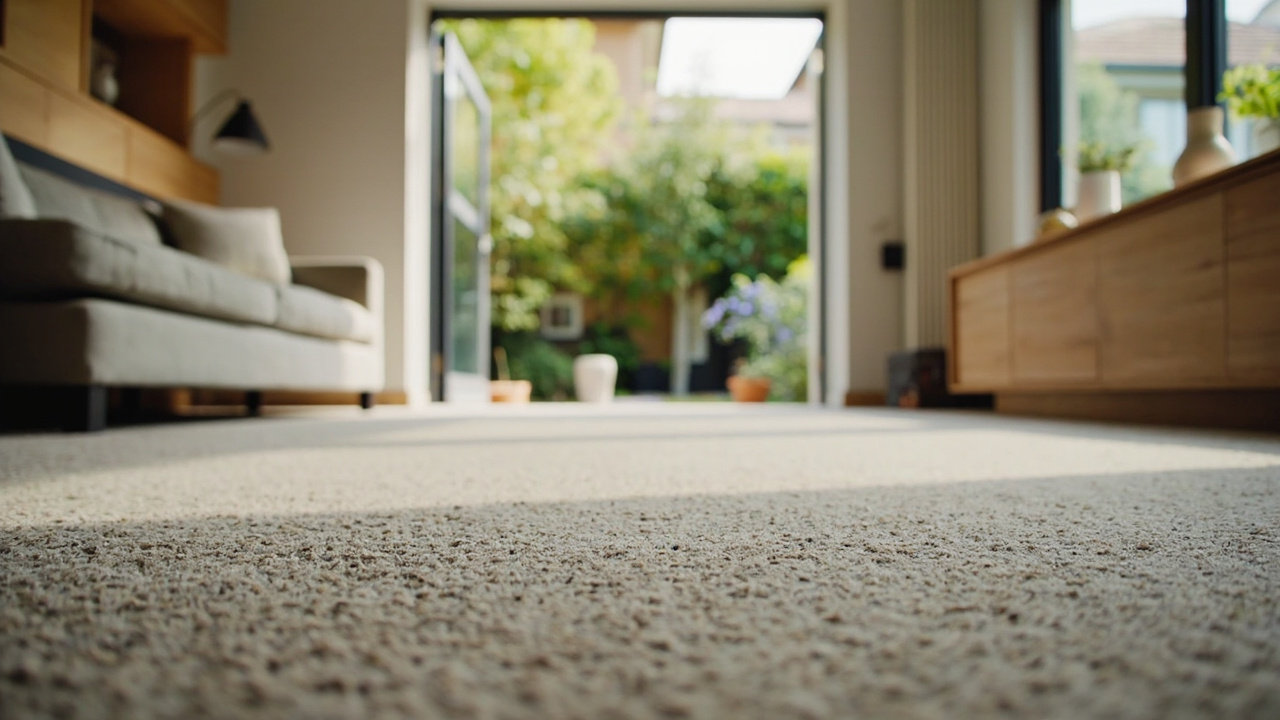 16 Q&A
Loop Pile & Textured Carpets
16 Q&A
Loop Pile & Textured Carpets
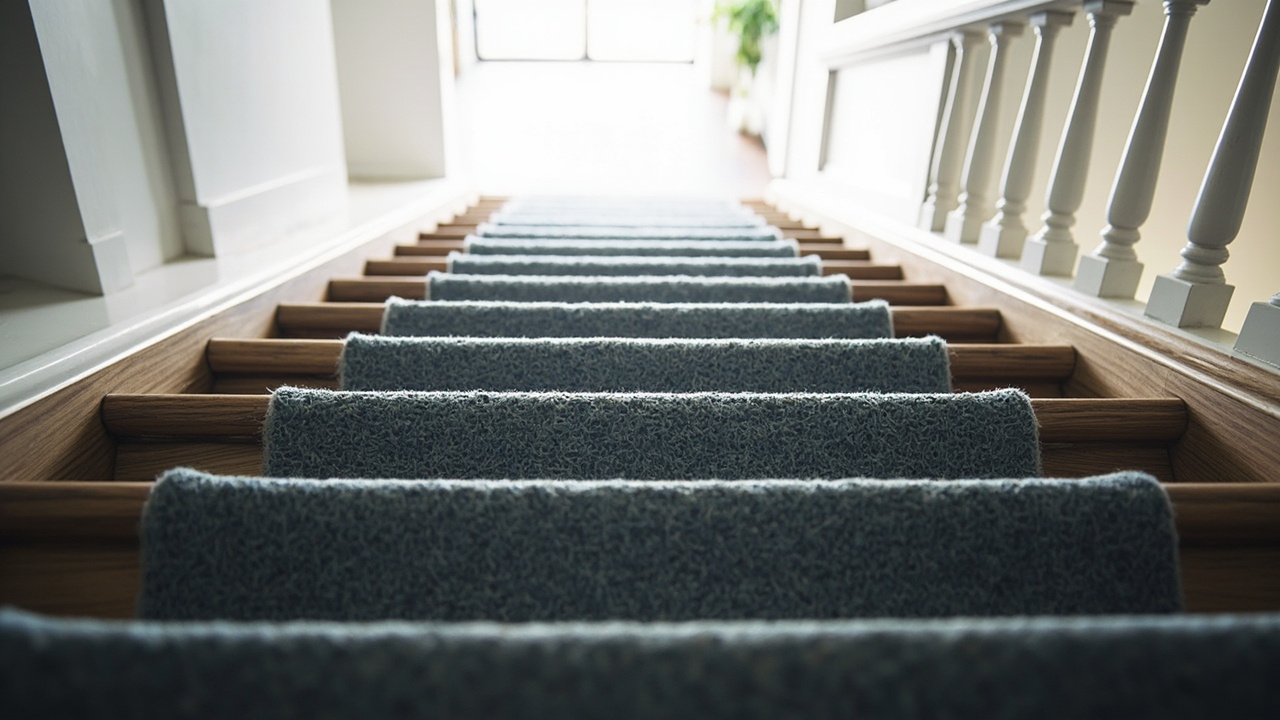 20 Q&A
Stair Runners
20 Q&A
Stair Runners
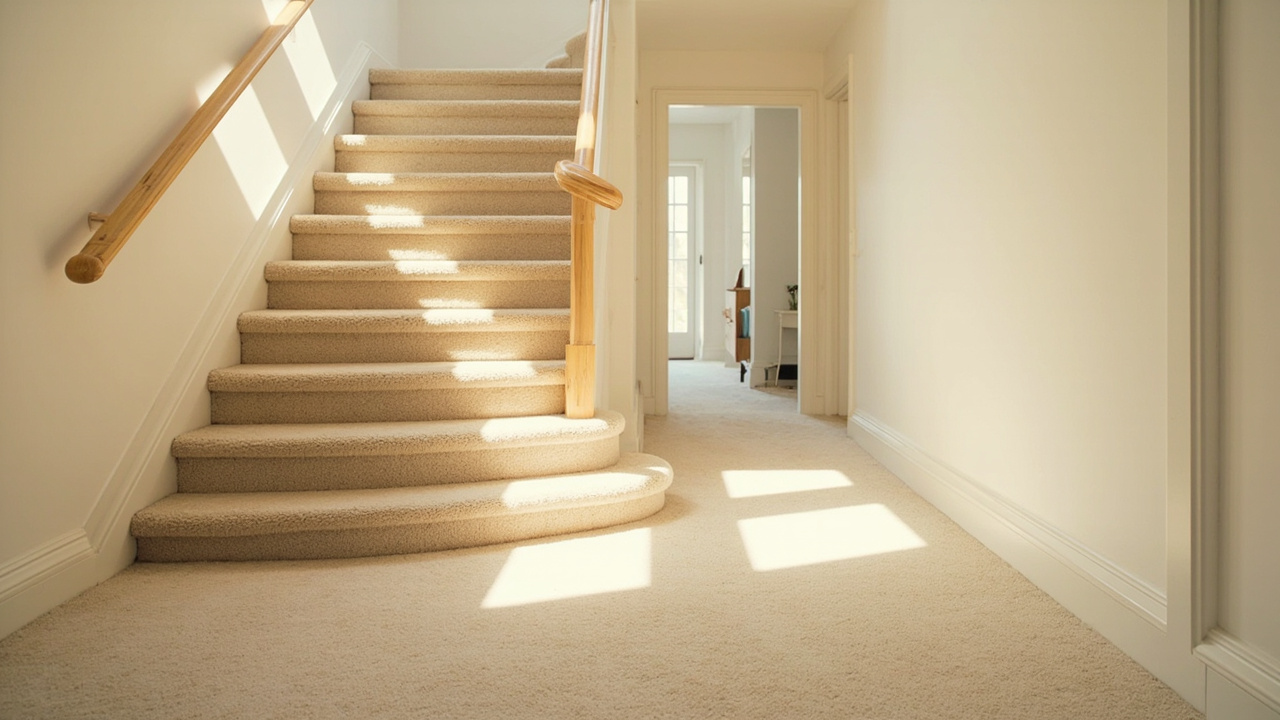 41 Q&A
Stair Carpets & Landings
41 Q&A
Stair Carpets & Landings
 31 Q&A
Pet, Family & Heavy-Traffic Carpets
31 Q&A
Pet, Family & Heavy-Traffic Carpets
There is no universal ‘best’ carpet for allergies; individual sensitivities vary. Dense, lower‑pile carpets can make regular vacuuming more effective at removing trapped particles, while some people prefer hard surfaces for ease of cleaning. Natural fibres such as wool behave differently to synthetics in terms of dust retention and shedding; this does not guarantee an allergy outcome. Good maintenance — frequent vacuuming with an appropriate setting, promp…
Eco-Friendly, Allergy & Health Considerations What are the sustainable carpet options available in Sydney?Sustainable carpet choices cover a range of approaches: natural fibres such as wool, products with recycled content, low‑VOC backings and adhesives, and longer‑life constructions that reduce replacement frequency. Each approach involves trade‑offs — natural fibres are renewable but have different care needs; recycled or synthetic options can lower landfill impact but may raise concerns about microplastic wear. For health or allergy considerations, BCC reco…